Understanding the ins and outs of ventilation management is essential for medical care specialists, particularly as advances in medical technology and client treatment remain to develop. As awareness of https://writeablog.net/lundurisvb/a-deep-study-air-passage-and-air-flow-monitoring-techniques-hltb respiratory problems grows, so does the demand for competent experts trained in various ventilation methods. In this short article, we will explore the diverse variety of ventilation courses offered today, exploring their value, material, and target audiences.
What is Ventilator Support?
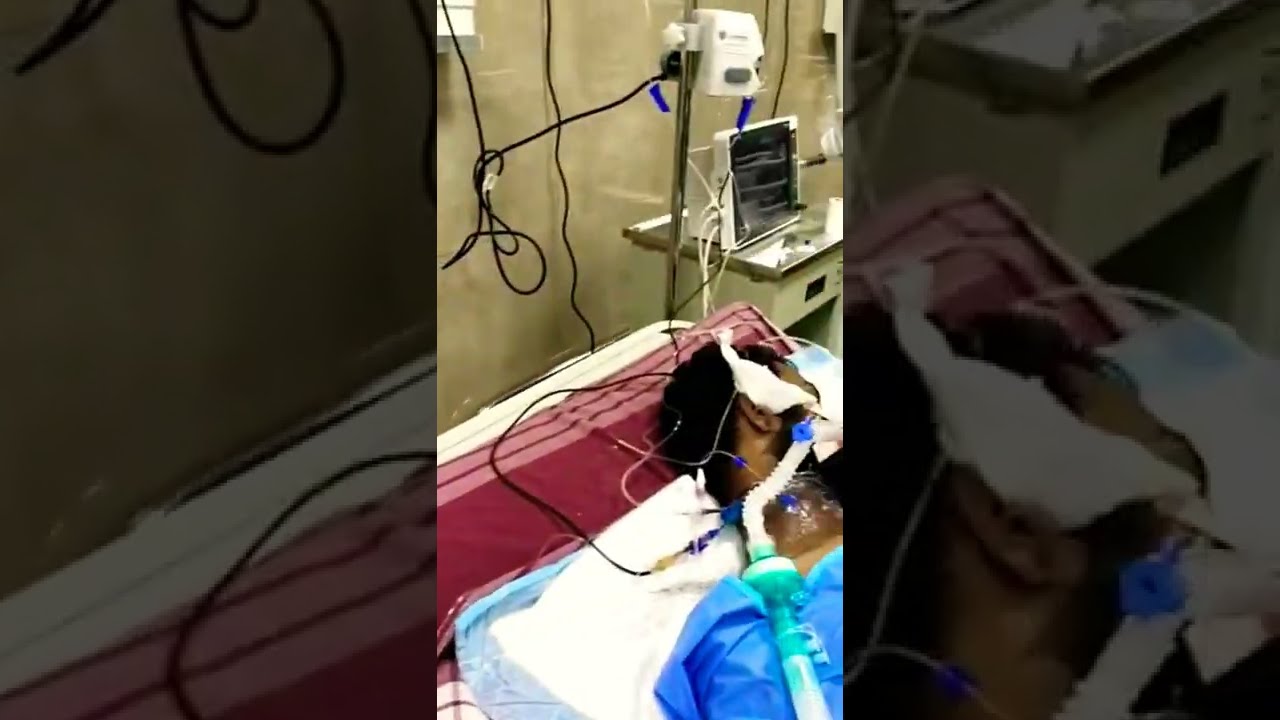
Ventilator support is a clinical intervention that supplies mechanical support for individuals who can not take a breath sufficiently by themselves. This innovation is important in critical treatment setups where people may be suffering from problems such as:
- Acute Breathing Distress Disorder (ARDS) Chronic Obstructive Pulmonary Illness (COPD) Neuromuscular diseases
The basic goal of ventilator assistance is to make certain adequate oxygenation and carbon dioxide removal. Recognizing how to operate and take care of ventilators properly can considerably impact client outcomes.

The Importance of Ventilation Training Courses
Why Are Ventilation Courses Essential?
Ventilation training programs are made to furnish medical care experts with the expertise and skills needed to operate ventilators safely and efficiently. The advantages consist of:

Types of Ventilation Training Courses Available
When discovering various sorts of ventilation courses available today, it's essential to categorize them based upon target market needs and skill levels.
Basic Ventilator Course
A standard ventilator training course is tailored for people just entering the area or those calling for a refresher course. Secret topics normally covered consist of:
- Introduction to various sorts of ventilators Basic settings and operation Understanding tidal quantity and breathing rate
Advanced Ventilator Administration Course
An advanced training course concentrates on the intricacies of handling critically sick individuals on ventilators. Trick elements consist of:
- Advanced settings of air flow (e.g., pressure assistance) Strategies for handling ARDS Weaning methods from mechanical ventilation
Ventilator Training for Nurses
Nurses play an essential function in patient treatment within critical care unit (ICUs). Specialized training programs focus on:
- Monitoring patients on mechanical ventilation Identifying difficulties early Collaborating with physicians to maximize client care
Tracheostomy and Ventilator Training
This specialized program addresses the unique challenges faced by people needing tracheostomy. Individuals discover:
- Care techniques for tracheostomy tubes Managing secretions effectively Transitioning from dental intubation to tracheostomy
Airway Monitoring and Ventilation Fundamentals
Airway management is vital in emergency situation scenarios, making dedicated courses vital for very first responders and healthcare providers alike. Training course goals usually consist of:
Recognizing potential air passage obstructions. Employing different adjuncts like oropharyngeal airways. Techniques for bag-valve-mask (BVM) ventilation.NIDS Air flow Course: A Comprehensive Approach
What Is NDIS?
The National Special needs Insurance System (NDIS) supplies support to people with disabilities in Australia, including those calling for specialized ventilation care.
NDIS Ventilation Training Course Overview
For doctor working within the NDIS framework, particular training programs address:
The legalities bordering impairment services. Individualized care strategies integrating ventilator management. Effective communication techniques with customers and families.Exploring Various Kinds of Ventilation Courses Available Today: Target Audiences
Understanding who must enroll in these programs aids customize educational experiences appropriately.
For New Medical care Graduates
Courses made for brand-new grads emphasize fundamental expertise concerning mechanical ventilation's scientific principles.
For Seasoned Medical professionals Looking for Specialization
Experienced clinicians may choose sophisticated programs concentrating on nuanced topics such as:
Non-invasive air flow techniques. Management methods for intricate cases.How Are These Courses Delivered?
With technical developments, numerous training courses are currently supplied online or with mixed knowing layouts that combine both in-person instruction and digital resources.
Online Knowing Platforms
Many establishments utilize on-line platforms to facilitate flexibility in discovering ventilation courses schedules while supplying detailed resources like video tutorials and simulation exercises.
In-Person Workshops
These workshops allow participants hands-on experience with ventilatory devices under the guidance of professional instructors, fostering a useful understanding that concept alone can not provide.
Course Certification and Accreditation Levels
Accreditation guarantees that a program fulfills particular academic criteria essential for effective knowing outcomes.
Recognized Certifications
Participants commonly obtain qualifications upon finishing these courses, which can considerably improve their specialist credentials.
Exploring Different Sorts of Air Flow Courses Available Today: FAQs Section
li27/ol5/li28li28/ol6li29# For how long do these training programs generally last?- Depending on the program's depth, they can range from a few hours to a number of weeks, particularly sophisticated ones that integrate comprehensive medical practice.
- Absolutely! Many organizations supply totally on-line options or crossbreed versions combining online education with hands-on workshops.
- Some companies provide scholarships or financial aid; it's best to check directly with your selected institution regarding financing alternatives offered for students.
Conclusion
In summary, comprehending exactly how to browse the myriad options when discovering different types of ventilation courses readily available today is vital for medical care experts seeking occupation advancement or expertise within respiratory monitoring areas. From standard ventilator training courses catering to newbies to innovative training targeting experienced professionals dealing with intricate clinical circumstances-- there's something suited for every person's needs!
Investing time into proper education and learning not just improves individual skill sets however eventually contributes positively towards boosting patient end results throughout different health care setups-- strengthening the relevance of trained specialists dedicated to excellence in respiratory tract administration and ventilation practices!
By gaining proficiency through structured curricula like those gone over throughout this post-- from fundamental ideas all the way through complex applications-- healthcare providers can with confidence come close to any kind of clinical situation including mechanical support systems while ensuring top quality care standards stay high in any way times!